
WHAT WE DO
////
WHAT WE DO ////
We partner to build products & provide solutions from the first spark of an idea to a finished physical reality. Our process is deeply collaborative and iterative, ensuring we "fail fast" in the lab so you can succeed fast in the market.
Whether you need a rigid engineering partner or a flexible creative lab, we adapt our working style to fit your unique workflow.
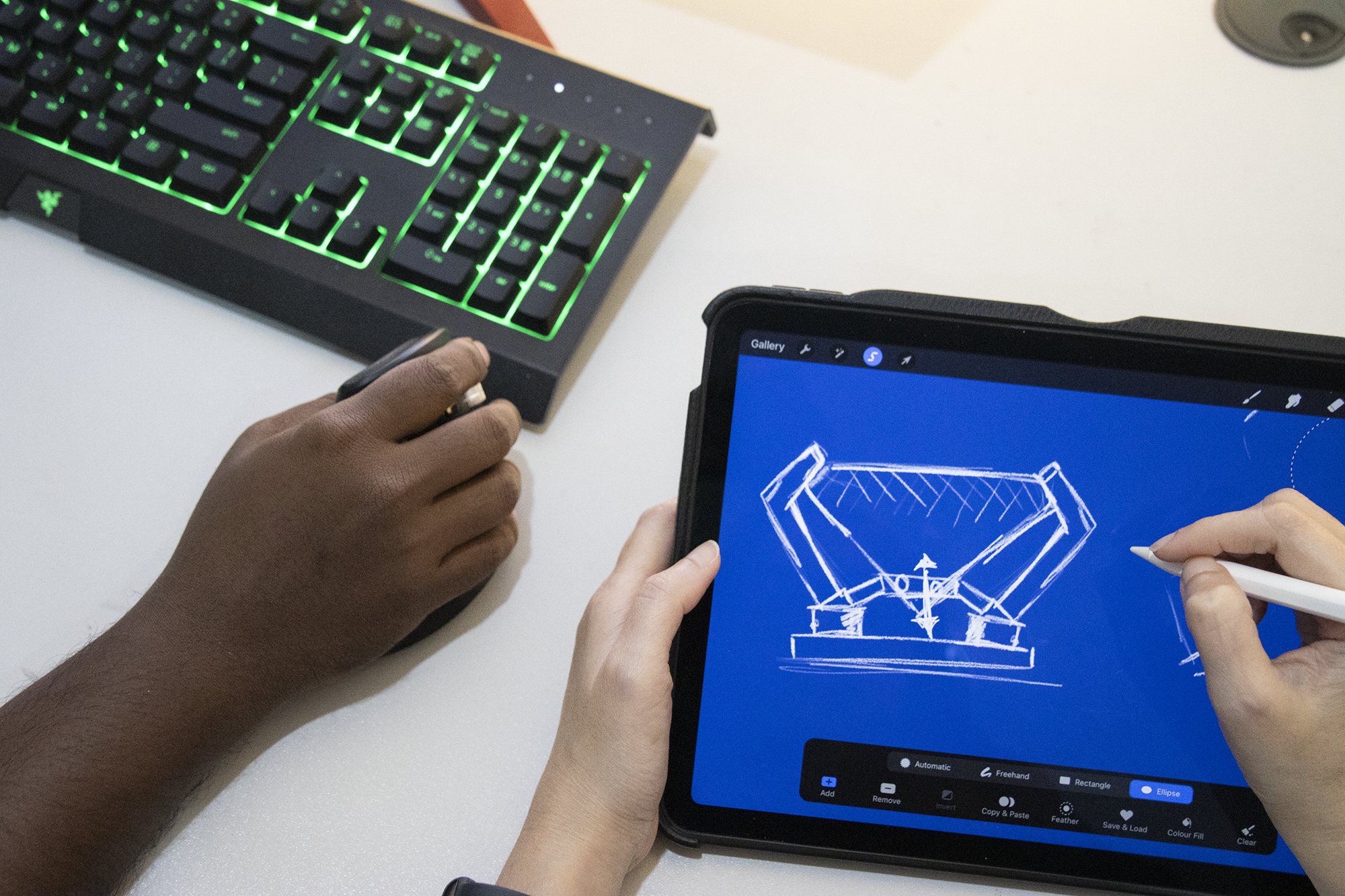
Design Consultation
We get it. The gap between a great idea and a physical object can feel like a canyon. Our Design Consultation is the bridge. We help you corral those loose concepts into a tangible roadmap, stripping away the guesswork so you can see exactly how your product will be built.
We don’t just make things look pretty; we stress-test the "why". We’ll help you figure out if your product actually solves a problem for your customers before you hit the "manufacture" button. It’s about moving from "I think this works" to "We know this works."
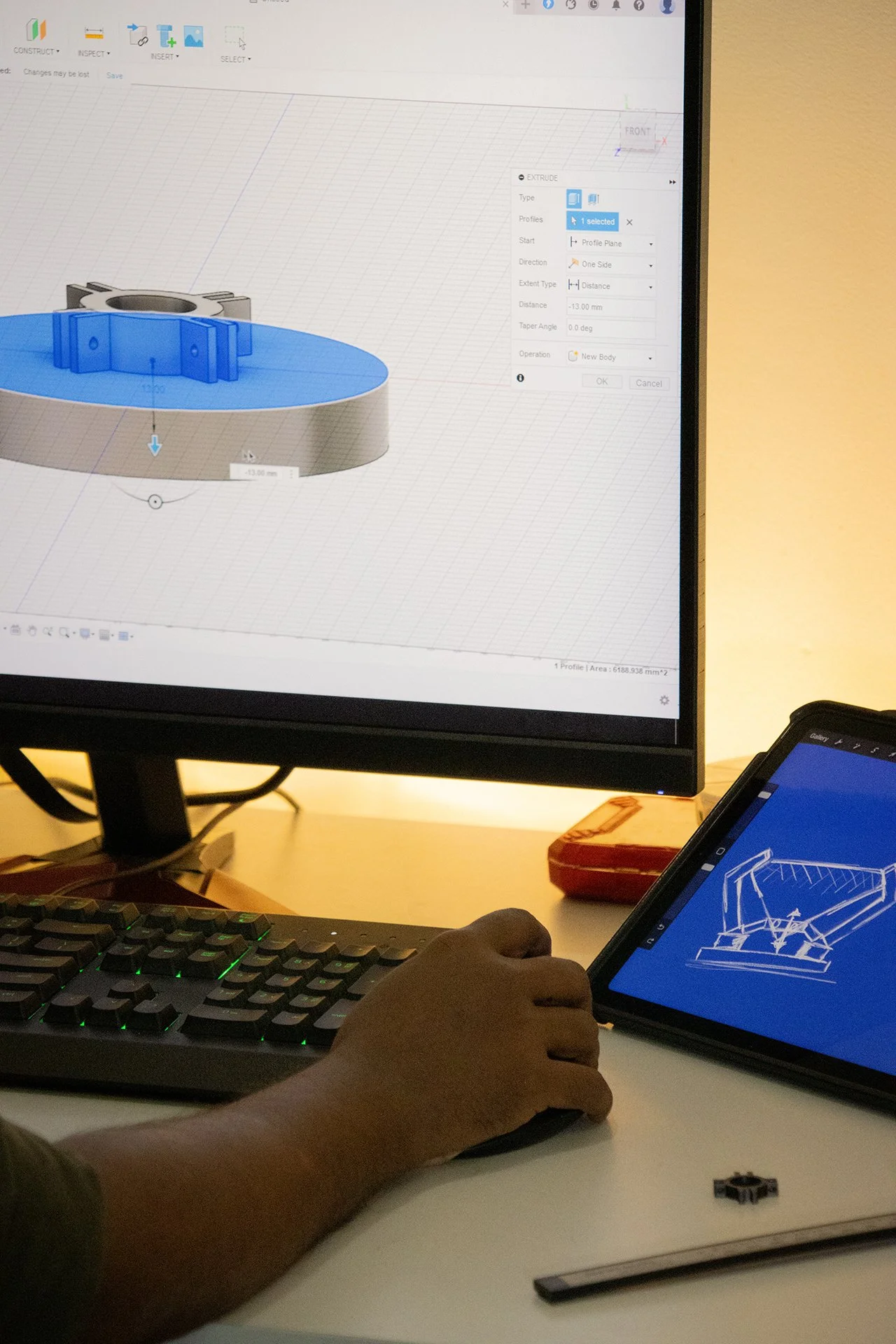
3D Modeling
This is where your "napkin sketches" graduate into the digital big leagues. This phase is the ultimate "look before you leap," allowing us to refine every curve and internal component in a virtual environment.
It’s about merging raw engineering with aesthetic soul, ensuring your product is as functional under the hood as it is beautiful on the shelf.
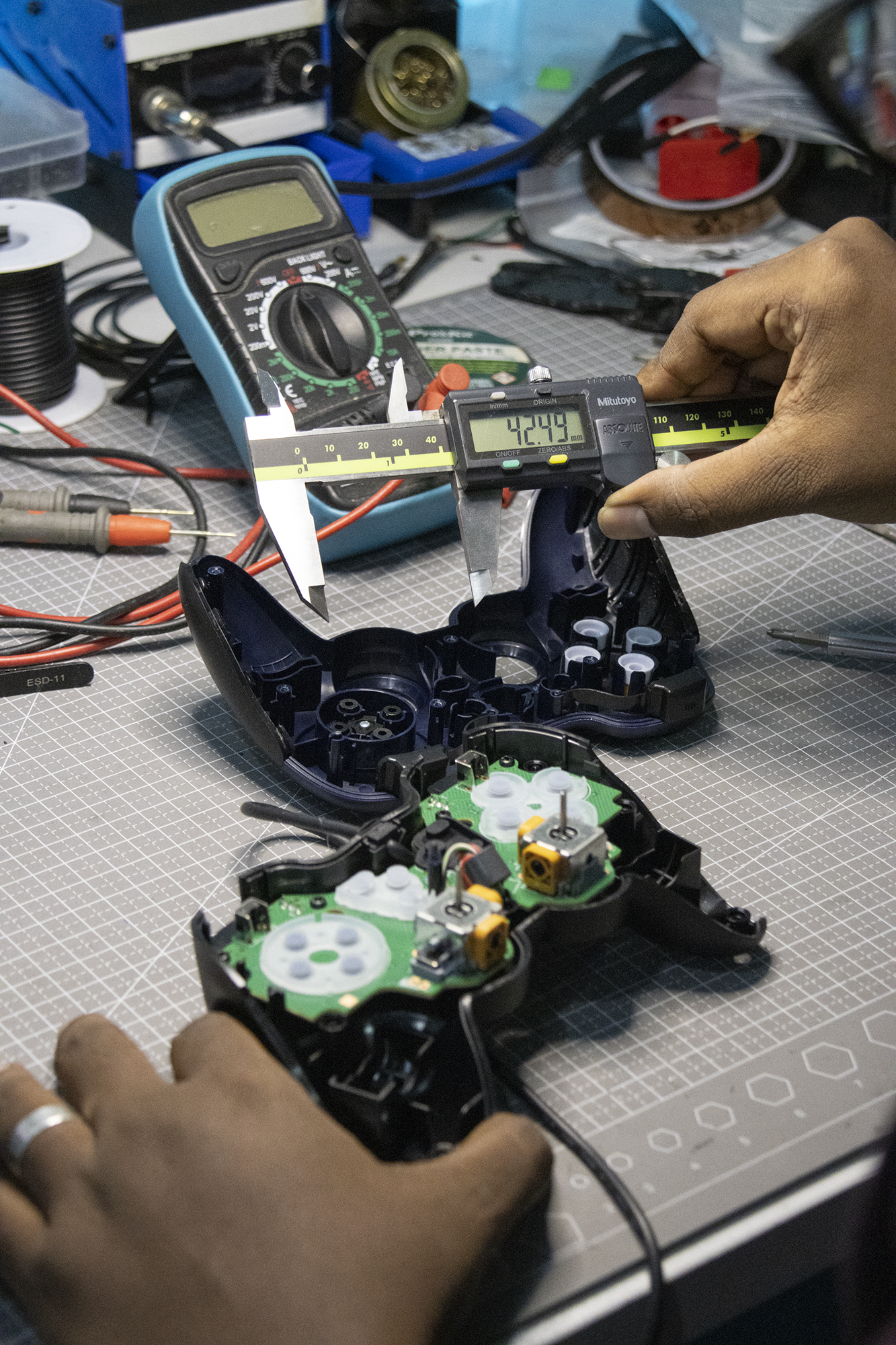
Reverse Engineering
Think of Reverse Engineering as the ultimate deep dive into "how things work." At our lab, we take existing physical components and work backward to deconstruct their DNA.
Whether you’re looking to digitize a legacy part that no longer has blueprints or you need to understand the mechanical wizardry of a complex assembly, we use high-precision tools to translate physical geometry back into editable data.
It’s a mix of digital archeology and forensic engineering; stripping a product down to its core to improve, adapt, or recreate it with modern precision.
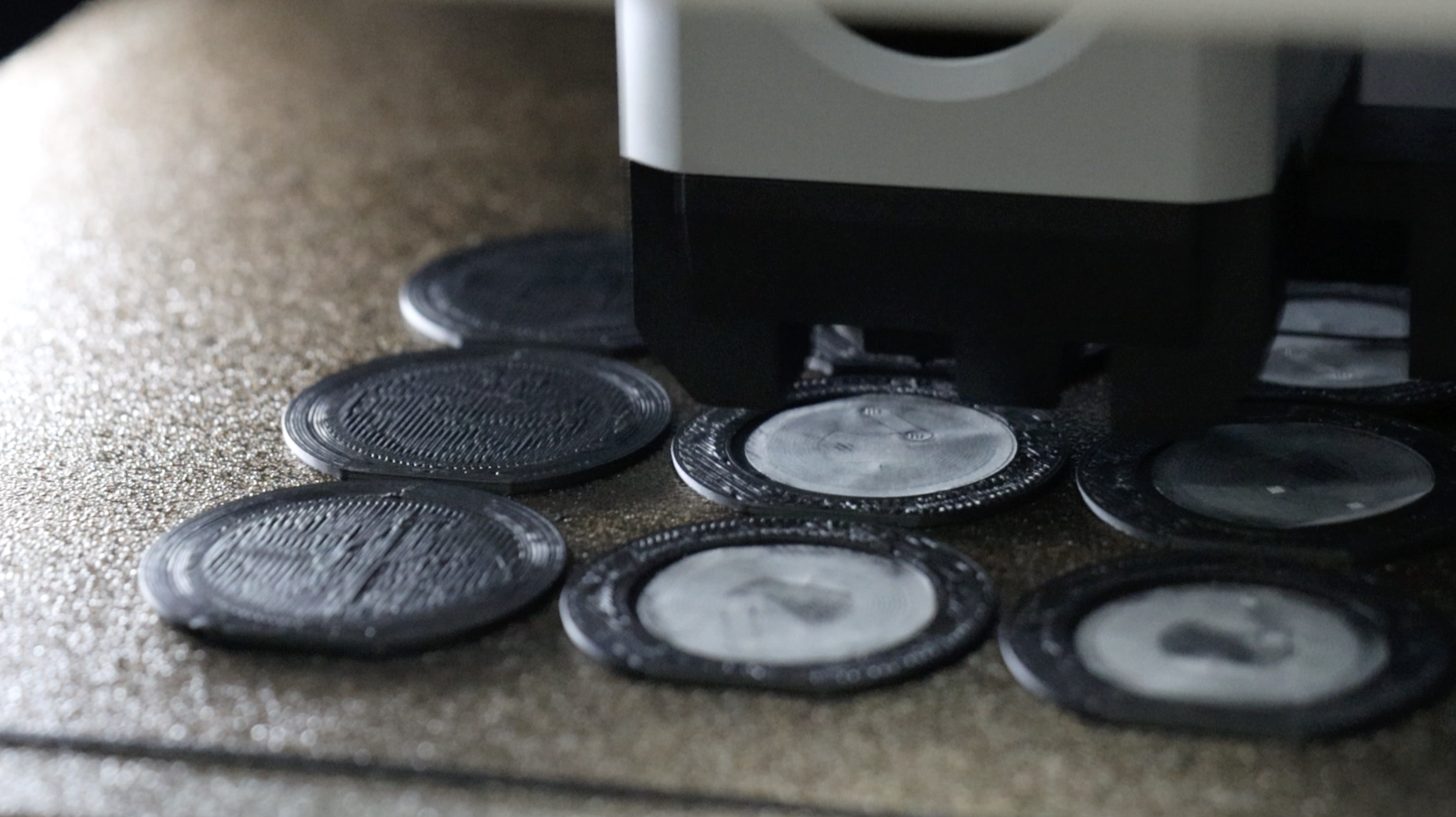
Rapid prototyping
Rapid Prototyping is where we bridge the gap between digital "bits" and physical "atoms". We utilize a hybrid approach, combining additive & subtractive manufacturing (3D printing, CNC milling etc) to build high-precision complex geometries from the ground.
This "fail fast, succeed faster" workflow allows us to test form, fit, and function in record time.
3D SCANNING
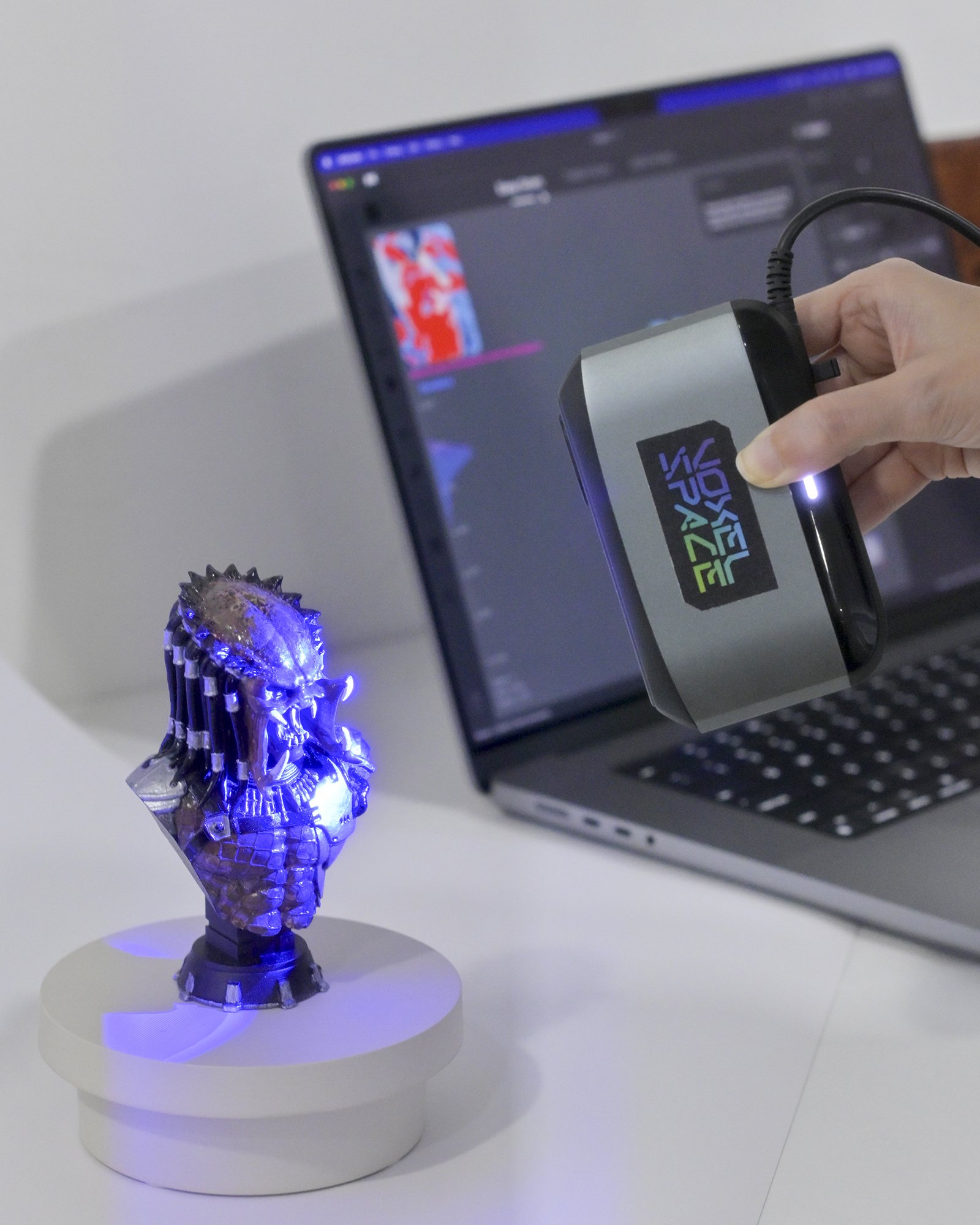
3D Scanning is where the physical world meets digital precision. Using high-resolution optical and laser sensors, we capture the exact "DNA" of a physical object.
Instead of spending hours measuring with calipers and guessing angles, we create a "digital twin" of your object in seconds. This allows us to reverse-engineer discontinued parts, design custom accessories that fit like a glove, or simply archive a physical masterpiece in a digital vault. It’s the fastest way to bridge the gap between the world you can touch and the world we can design.
It’s essentially a high-tech "copy-paste" for the physical world, allowing us to archive, analyze, or iterate on a design with sub-millimeter accuracy.
Small scale manufacturing
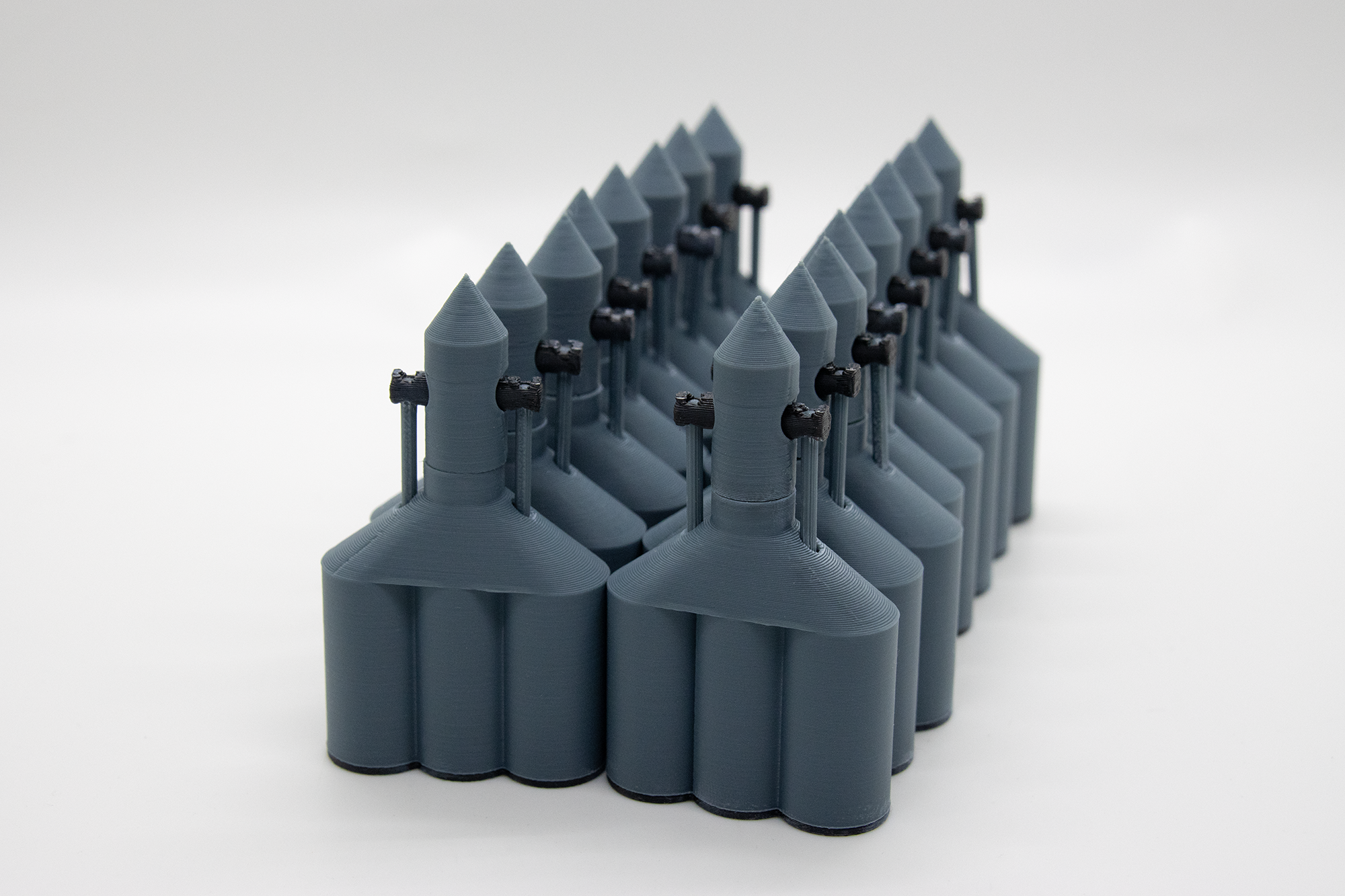
Let’s be real: traditional manufacturing can be a bit of a headache. Between the terrifying upfront costs and the "minimum order of 10,000" fine print, getting a product off the ground often feels like trying to climb a mountain in flip-flops.
That’s where we come in. Think of us as your personal production line—minus the stuffy factory vibes and the six-month wait times.
FAQs
3D printing: filament vs resin
1
FDM
ReSIN
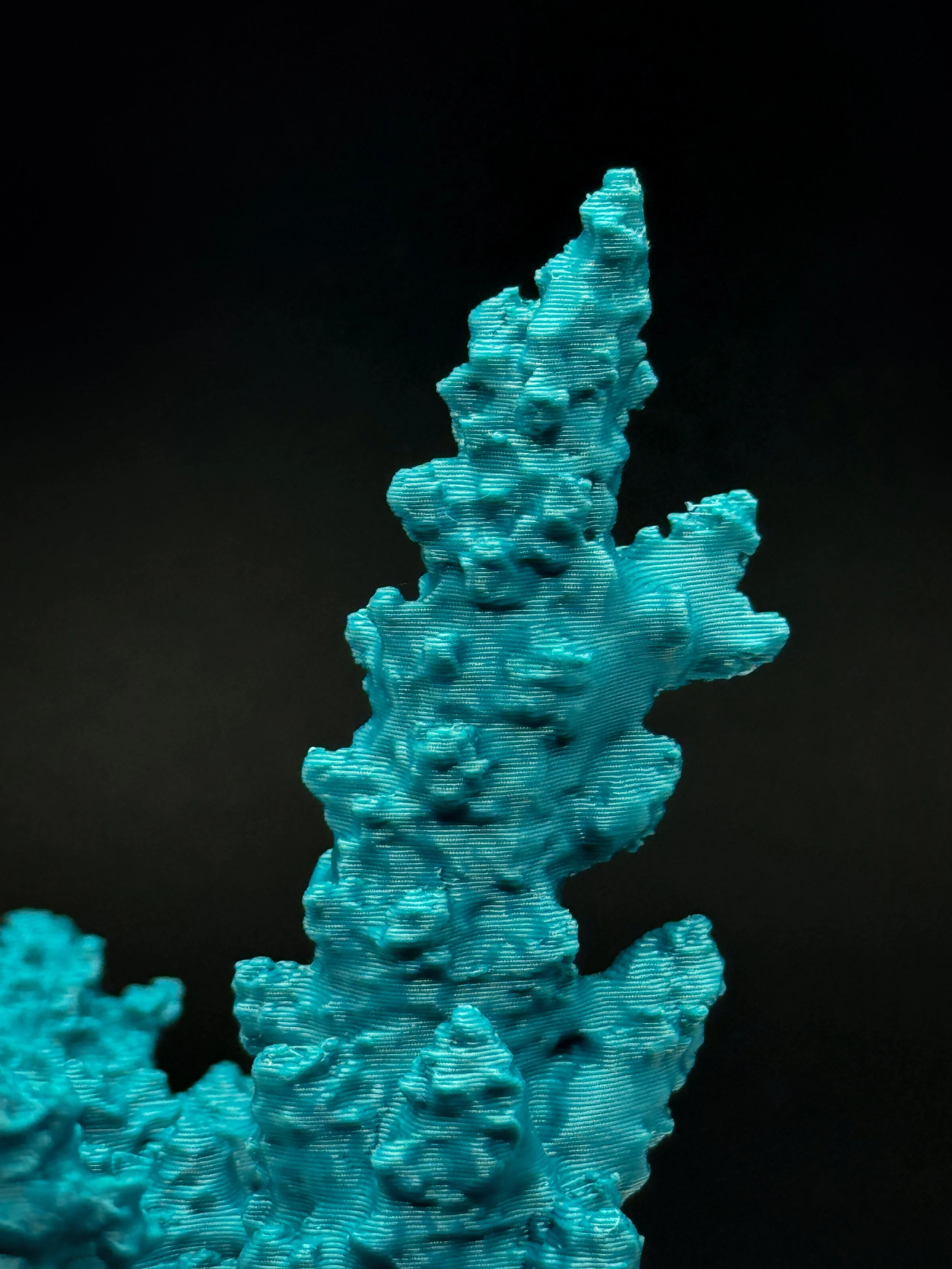
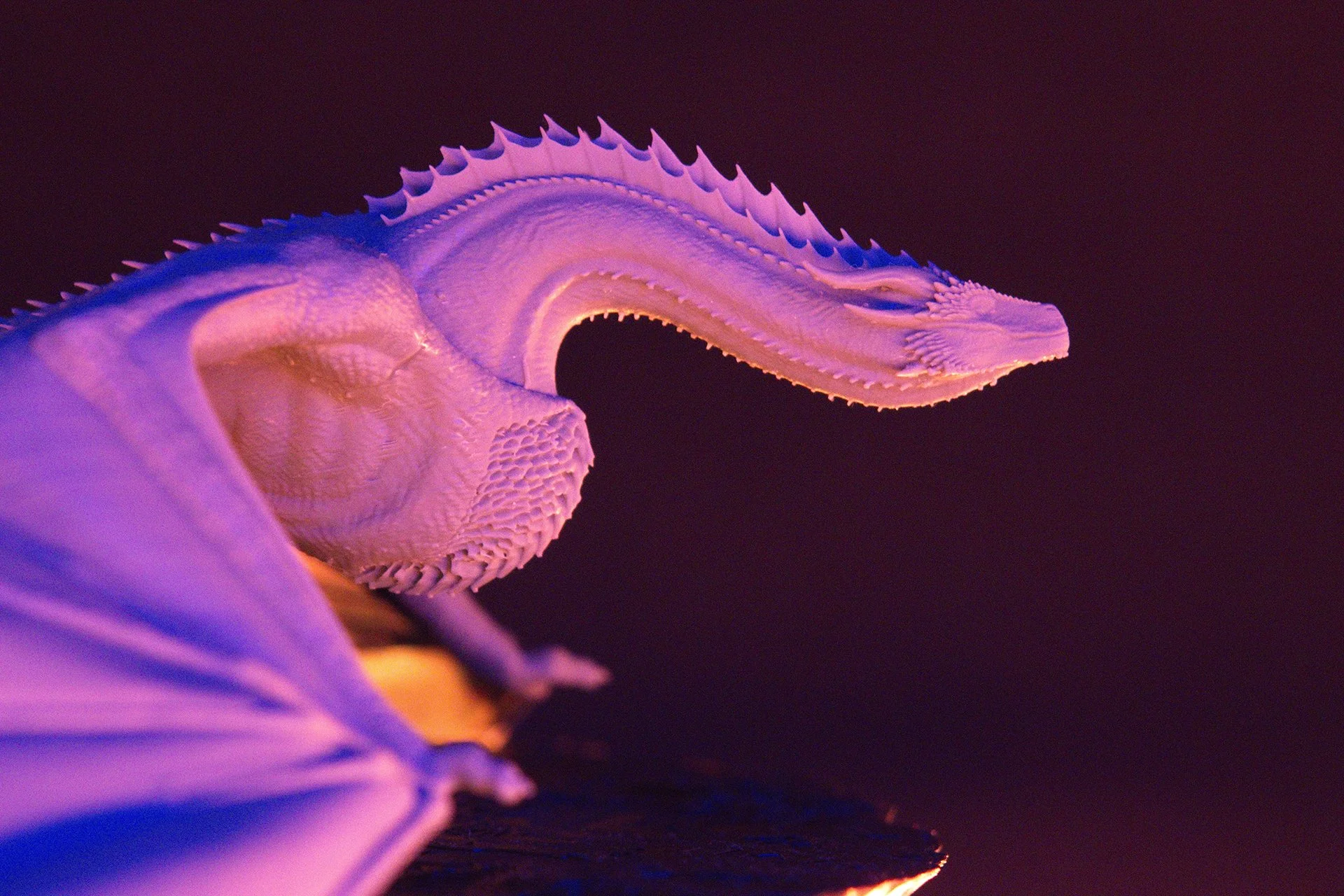
Filament printing, also know as Fused Deposition Modeling (FDM) is like building with melted plastic thread, focusing on affordability and ease of use, while resin printing uses liquid photopolymer resin and is like solidifying liquid with light, prioritizing high detail and smooth finishes.
FDM uses less expensive materials, and are easier to operate, making them great for general-purpose printing. However, the layer-by-layer process can result in visible layer lines on the finished print, and fine details might be less sharp.
Resin printing excels at producing highly detailed prints with smooth surfaces and high accuracy, making it ideal for intricate models, jewelry, etc. However, resin printers and the materials tend to be more expensive, and the process often involves more complex post-processing, including washing and curing the prints.
How much lead time is required for a project?
2
Lead time can vary depending on the complexity of the project. We usually recommend an initial discussion to understand the requirements before giving a more realistic project timeline.
Average timelines would look something like:
Design and Modeling: 3-10 Business Days
Prototyping: 3-15 Business Days
3D Scanning: 1-5 Business Days
Reverse Engineering: 1-7 Business Days
What Determines the prices?
3
Every project is its own beautiful snowflake, but here are the general factors that determine project costs:
Design and Modeling: Based on complexity (how many moving parts"or electrical components are there?)
Prototyping: Material used + print time
3D Scanning: Size and detail of the object being "copy-pasted".
Reverse Engineering: Also depends on complexity of the item.
How can I contact you?
4
You can reach us via our studio line +960 7396881 (WhatsApp / Telegram / Viber) or email us at create@vxlspace.com. We aim to respond quickly—usually within one business day.
Contact us
Interested in working together? Reach out to us and we will be in touch soon.